Why Are They Called the All Blacks? Rugby's National Team Nicknames Explained
Say the words "All Blacks" and even people who have never watched a rugby match can picture the black jersey, the silver fern and the haka. The nickname is so established that it has almost stopped sounding like a nickname at all. Yet it began as newspaper shorthand, and it belongs to a family of national labels that tell you something real about the country behind the shirt — its wildlife, its flag, its language, sometimes its old divisions. Here is where rugby's best-known team names come from, and what each one is actually telling you.
The All Blacks: a nickname with a contested origin
New Zealand's first great touring side left in 1905 for Britain, Ireland and France. The players wore black jerseys with a silver fern, and they were billed simply as the New Zealanders — later remembered as the Originals. The story most often told is that after a match in Devon, a newspaper report praised the tourists' pace by describing them as playing like "all backs," and that the headline emerged as "All Blacks." Depending on who is telling it, the change was a typesetter's slip or a deliberate pun. Nobody can prove it either way, and earlier New Zealand sides had already worn black on tour, so the name may simply have been waiting to happen. What matters is that it stuck instantly, and it stuck because it was accurate: the team was black, from socks to collar.
Why the black shirt is never just a shirt
Black is New Zealand rugby's default, not a one-off. The women's team are the Black Ferns, the sevens side the All Blacks Sevens, the Māori representative team the Māori All Blacks, the age-grade side the Junior All Blacks. A nickname that started on a tour has turned into a naming system.
And the black jersey arrives with expectations attached: the haka before kick-off, the silver fern on the chest, the assumption that New Zealand will be hard to beat. When players from other countries talk about their own shirt meaning more than fabric, this is usually the example sitting in the back of their mind.
Springboks, Wallabies and Pumas: when wildlife does the talking
South Africa's Springboks take their name from the springbok, the antelope that sits on the team's crest alongside the green and gold jersey. That emblem has been argued over in South African public life for decades, which is a useful reminder that a nickname is never only a nickname.
Australia's Wallabies are named for the marsupial — and keep them separate from the Kangaroos, which is the rugby league side. Mixing those two up is the quickest way to out yourself as a newcomer. Argentina's Los Pumas is the odd one out: the story goes that a touring side in the 1960s carried a crest featuring a jaguar, a journalist in South Africa called it a puma, and the mistake became permanent. Argentina kept it, and the rest of the world copied them.
Roses, thistles, dragons and blues
Several of the Six Nations names come from emblems older than rugby itself. England play under the red rose, a badge inherited from the Wars of the Roses. Scotland are the thistle, the plant badge of the country, and Murrayfield is the place to hear it used properly. Wales are the red dragons, straight from the national flag. Ireland's green and shamrock reflect a team that draws on both sides of the border — one of very few international sides in world sport that does.
France are Les Bleus, after the blue shirt. Italy are the Azzurri, a blue traditionally traced back to the House of Savoy. Notice the difference in logic: the British and Irish names point at history and heraldry, while the French and Italian ones point at what the players are wearing.
The Pacific and Asia: names that keep the local language
Samoa's team is Manu Samoa, a name often linked to the manumea, a bird found only in those islands. Tonga are 'Ikale Tahi, usually translated as sea eagle. Fiji's sevens side are the Flying Fijians, a nickname that doubles as a warning about how they intend to play. Japan were long known as the Cherry Blossoms before the word Brave was added, and after the 2019 World Cup the longer name sounded less like a polite description and more like a statement of intent.
These names work differently from Les Bleus. They put a national symbol or an indigenous language in front of a global audience every time the team runs out, and they do it without translating themselves for anyone.
What the names have in common
Read enough of them together and the patterns are easy to spot:
- Colour names — All Blacks, Les Bleus, Azzurri — treat the jersey as the identity. The shirt is the story.
- Animal names — Springboks, Wallabies, Pumas — borrow an emblem the country had already claimed.
- Heraldic names — Red Rose, Thistle, Shamrock — tie the team to national history that predates the sport by centuries.
- Language names — Manu Samoa, 'Ikale Tahi — carry a local tongue into an international arena.
- Happy accidents — All Blacks and Pumas both started with someone
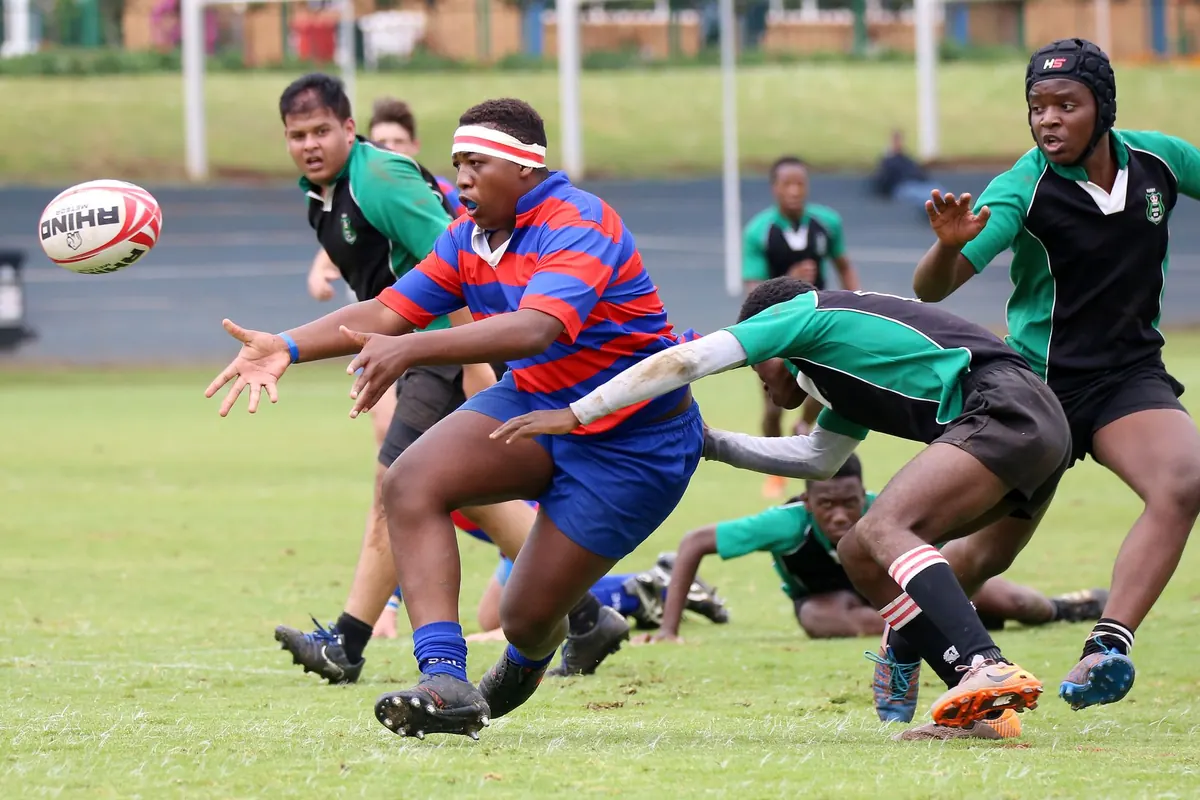
Headguards vs. Scrum Caps: Which One Do You Actually Need?
Scrum caps and headguards are the same category of kit with different amounts of padding. Here's how to...
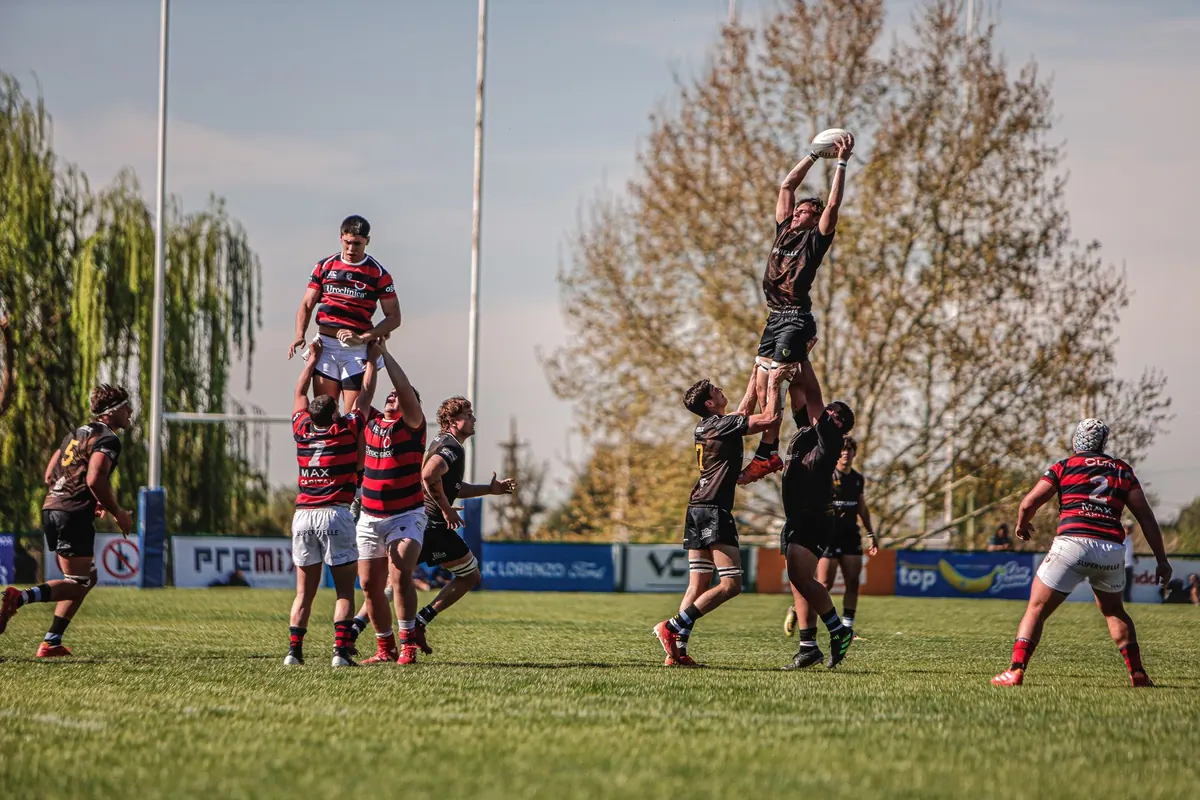
How to Choose Your First Pair of Rugby Boots: A Buyer's Guide
Stud types, fit and surface matter more than brand or price. A practical guide to picking your first rugby...
About Us