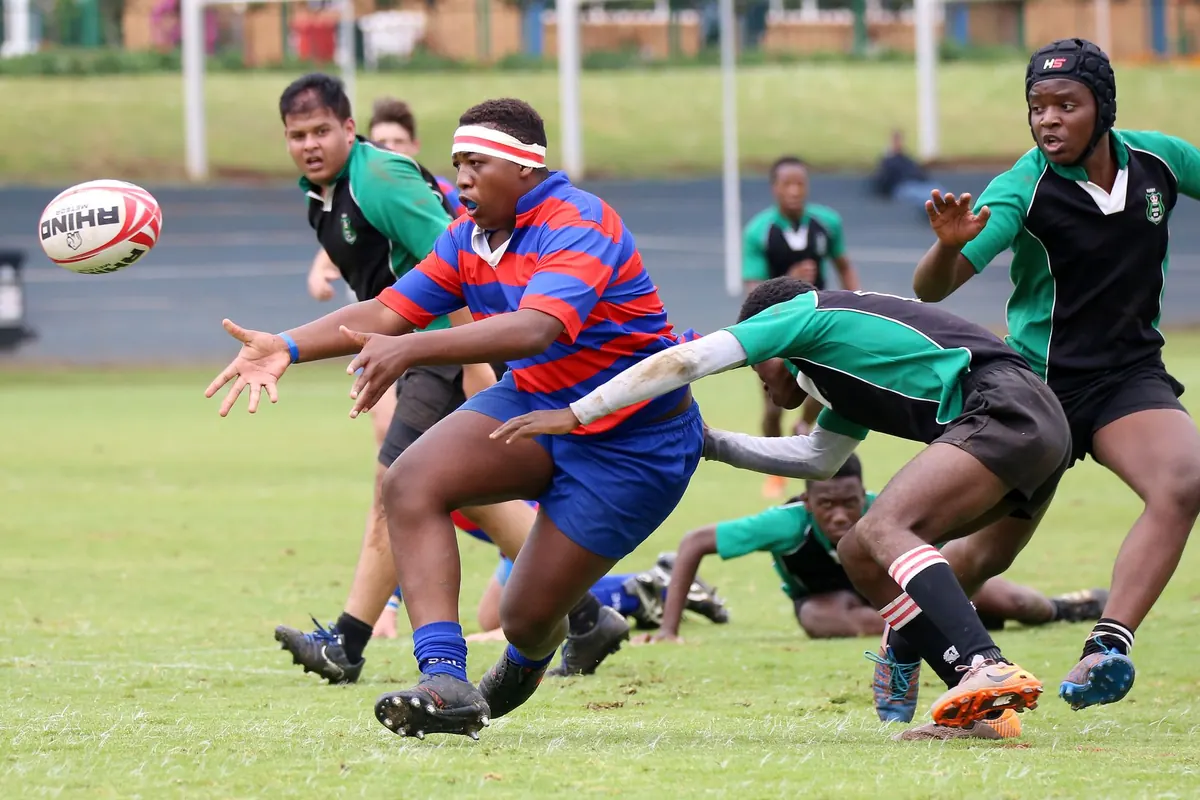
Headguards vs. Scrum Caps: Which One Do You Actually Need?
Walk along any touchline on a Saturday and you'll see the full range: a grizzled prop in a faded black cap, a teenager in something that looks like a soft helmet, a winger in nothing at all. Then you go to buy one and the shop offers "scrum caps" and "headguards" as though they were separate species. They mostly aren't. What actually differs is how much padding a model carries, how it fits, and whether it's legal for the game you play.
The short answer on terminology
In rugby union, "scrum cap", "headguard" and "padded headgear" all describe the same thing: soft, foam-lined fabric headwear worn for protection. World Rugby's laws and regulations use "padded headgear", and the approval standard it has to meet is the same for all of them. "Scrum cap" is simply the older, more colloquial name, kept alive by generations of forwards who never took them off.
The useful distinction is not the label on the box, but thickness and coverage. Some caps are little more than a few millimetres of foam under a stretch fabric shell, covering the skull and the ears. Others are noticeably chunkier, with denser panels across the forehead, temples and the back of the head, and deeper ear protection. Neither is a hard shell — the rigid helmets used in other sports are not permitted in rugby, and a rugby headguard should never feel like one.
What padded headgear does, and what it doesn't
Be clear about the job description. A scrum cap reduces friction and abrasion, which means fewer split ears, fewer scalp cuts and less of the repeated crunching that turns ears into cauliflower. It takes a little sting out of knocks. It holds tape, strapping and long hair out of the way. And for plenty of players, it simply makes going into contact feel less exposed, which is a legitimate reason to wear one.
What it does not do is prevent concussion. World Rugby and sports medicine bodies have been consistent on this: padded headgear has not been shown to stop the brain from being injured. Concussion comes largely from the head accelerating and rotating inside the skull, and no layer of soft foam changes that in any meaningful way. So don't treat a cap as a licence to tackle higher, and don't treat it as a reason to come back sooner after a head knock. If you or your child has taken a significant blow to the head, follow the return-to-play protocol and get medical advice — a cap is not part of that decision.
Types you'll see on the shelf
- Classic thin scrum cap: light, cool, minimal padding. The default choice for front rowers and anyone whose main problem is ears and skin.
- Thicker padded headguard: more foam, more coverage, more cushioning. Popular with back rowers, centres and players who take a lot of shoulder contact.
- Ear-focused designs: extra shaping or padding around the ears for players already dealing with cauliflower ear or who scrum regularly.
- Junior and adjustable models: often built with a wider size range and softer foam, aimed at younger players still growing.
- Hard-shell helmets: not rugby kit. If a product looks rigid, it isn't legal for the game.
Rules, approval marks and what referees check
Legal headgear carries a World Rugby approval mark. That mark is the thing worth checking, more than the brand or the price. A referee can ask a player to remove headgear that is damaged, non-compliant or in poor condition, so a cap with torn stitching and exposed foam is a problem waiting to happen. Competition rules at school, junior and some club levels can also add their own conditions, so check before you buy rather than on the morning of a match. Headgear is optional in rugby union — nobody is required to wear it.
Fit and comfort: where cheap caps fail
A cap that shifts when you run is worse than no cap. It blocks your vision, it gets grabbed in the tackle, and it stops protecting the spot it was meant to cover. Fit matters more than padding thickness.
- Measure the circumference of your head at the widest point, above the ears and around the back. Buy by that number, not by the size you wear in hats.
- It should feel snug and even, with no pressure points at the forehead or behind the ears, and no slack at the sides.
- Your ears should sit fully inside the ear panels, not folded over or poking out.
- Shake your head firmly. If the cap moves more than a little, size down or try another model.
- Fasten the chin strap properly. A loose strap is the most common reason caps ride up during scrums and rucks.
- Check breathability. Thicker models are warmer, which matters in summer sevens and on hard grounds.
- Wash it by hand with mild soap and let it dry away from direct heat, which keeps the foam from breaking down.
So which one do you need?
Start with the reason you're considering one. If it's split ears, scrum pressure and cuts, a thin classic cap does the job and stays cool. If it's general cushioning for a player who lives in contact, a thicker headguard is the better match. If you've already got damaged ears, prioritise ear coverage over everything else.
If you're buying for a young player new to contact, a properly fitted cap can help with confidence, but coaching on tackle technique and keeping the head out of the way will do far more for safety than any padding. If you've had a head injury, talk to a doctor first; the cap is a separate question. And if the budget is tight, a well-fitted mouthguard and good boots come first — headgear is optional kit, not essential kit.
Making the call in five minutes
Ask yourself what you're trying to fix. Cuts and ears: thin cap, snug fit. Repeated heavy contact: thicker headguard. Heat and summer rugby: thinner, lighter model. Then check three things before paying — the World Rugby approval mark, the size chart measured against your actual head, and the returns policy in case it doesn't sit right. Try it on with your mouthguard in and your hair as you'd wear it on match day. Finally, treat it as disposable kit: once the foam has compressed or the shell has torn, it's finished. Replace it, and keep the old one for training.
Photo: Patrick Case / Pexels
How to Choose Your First Pair of Rugby Boots: A Buyer's Guide
Stud types, fit and surface matter more than brand or price. A practical guide to picking your first rugby...

How to Build a Club Fixtures Spreadsheet That Actually Works
A practical guide to building a shared club fixtures spreadsheet: the columns that matter, how to handle...
About Us