How to Read Rugby Player Stats: Tackles, Carries and Metres Explained
Player stats are everywhere now. Broadcasts flash them up after every phase, fantasy leagues live on them, and post-match graphics turn a back-rower's shift into a tidy row of numbers. But a stat sheet without context is just a list. Two players can finish with identical tackle counts and have had completely different afternoons. Learning to read the numbers—and knowing what they leave out—turns you from someone who quotes stats into someone who understands the game.
Why Context Comes First
Before you judge a single number, ask three questions: Who is this player? What was the game plan? What was the opposition doing? A tighthead prop is not asked to make 15 carries in space. A wing might see the ball five times and still be the most dangerous player on the pitch. A flanker with 20 tackles might be busy because his team is defending for long spells, not because he is a defensive machine. Minutes played matter too. A replacement with 8 tackles in 20 minutes is working at a higher rate than a starter with 12 tackles in 80. Stats describe events, not value. Context gives them meaning.
Tackles: Volume, Completion and Dominance
Tackle counts are the easiest stat to quote and the easiest to misread. The headline number is usually total tackles made, sometimes split into "dominant" and "assist" tackles. Completion percentage—tackles made divided by attempted tackles—is more revealing. A player on 90% has missed one in ten. A player on 75% has missed one in four. But even completion has limits.
What tackles do tell you
- Work rate: a high count shows a player is around the ball.
- Technique: completion suggests reliability in contact.
- Defensive involvement: a player who makes 15 tackles is reading the game and putting themselves in position.
What they don't
- Dominance: a tackle that stops a runner dead and one that allows an offload can both count.
- Impact: a missed tackle on the far side of the pitch is not the same as one that concedes a try.
- Context: a high count can mean your team has less possession.
Carries: The Engine Room Stat
A carry is any time a player runs with the ball into contact. It measures willingness to take responsibility. Forwards are often judged on carries because they set the platform. But not all carries are equal. A prop picking and going from the base of a ruck for two metres has done his job if it drags in defenders and slows the defensive line. A centre carrying into a set defence and going backwards has not.
Look for "effective carries" or "gain line success" if your stats provider offers it. That tells you how often a carry got the team over the advantage line. A player with 12 carries and 10 effective carries was making ground. A player with 12 carries and 3 effective carries was making tackles for the opposition. Carries also don't tell you whether the player passed when they should have, or whether they ran into a gap or into a wall. The number is a starting point, not a scouting report.
Metres: The Headline Number That Flatters
Metres gained is the total distance a player advances with ball in hand. It sounds definitive. It rarely is. One long run can distort an entire match. A full-back who returns a kick 50 metres and then makes three carries for two metres finishes with 52 metres. A centre who consistently makes 8 metres per carry but only carries six times finishes with 48. The first number looks bigger. The second player was more consistently effective.
Metres per carry is a better guide. So is looking at where the metres came from. A wing who makes 80 metres from a kick return and 10 metres from three carries in traffic has a different day from a back-rower who makes 40 metres from 15 carries. Metres also don't tell you about the quality of the defence, whether the player was fresh or exhausted, or whether the metres led to points. A 30-metre run that ends with a turnover is less valuable than a 5-metre carry that sets up a try.
The Supporting Cast: Defenders Beaten, Offloads and Turnovers
Tackles, carries and metres are the big three, but they need friends. Defenders beaten measures evasive skill. It can be a step, a fend, or a defender falling off a tackle. Offloads show attacking intent, but an offload that goes to ground is a turnover. Turnovers conceded is a vital stat—a player who makes 15 carries but coughs up three turnovers has cost their team possession. Turnovers won is the other side: jackals, intercepts, and strips. Also check lineout steals, scrum penalties, and ruck penalties. A prop with 10 carries and 2 scrum penalties conceded has a mixed day. A flanker with 6 tackles, 2 turnovers won, and 0 missed tackles has had a quiet but effective shift.
How to Read a Player's Stat Line in 60 Seconds
Use this as a filter, not a final judgment.
- Check position and minutes. A hooker's stats look nothing like a fly-half's.
- Look at tackles and missed tackles. Completion matters more than volume.
- Look at carries and metres per carry. A high metres-per-carry number suggests quality.
- Find gain line success or effective carries if available.
- Scan for turnovers conceded and penalties. Errors can cancel out good work.
- Ask what the game asked of them. A wing in a monsoon is not going to rack up metres.
Numbers are a useful summary, but they are not the game itself. They tell you where to look, not what you saw. If you can, watch the player for ten minutes without following the ball. You'll learn more about their work rate and positioning than any stat sheet can show. Use the numbers to ask better questions. Then trust your eyes.
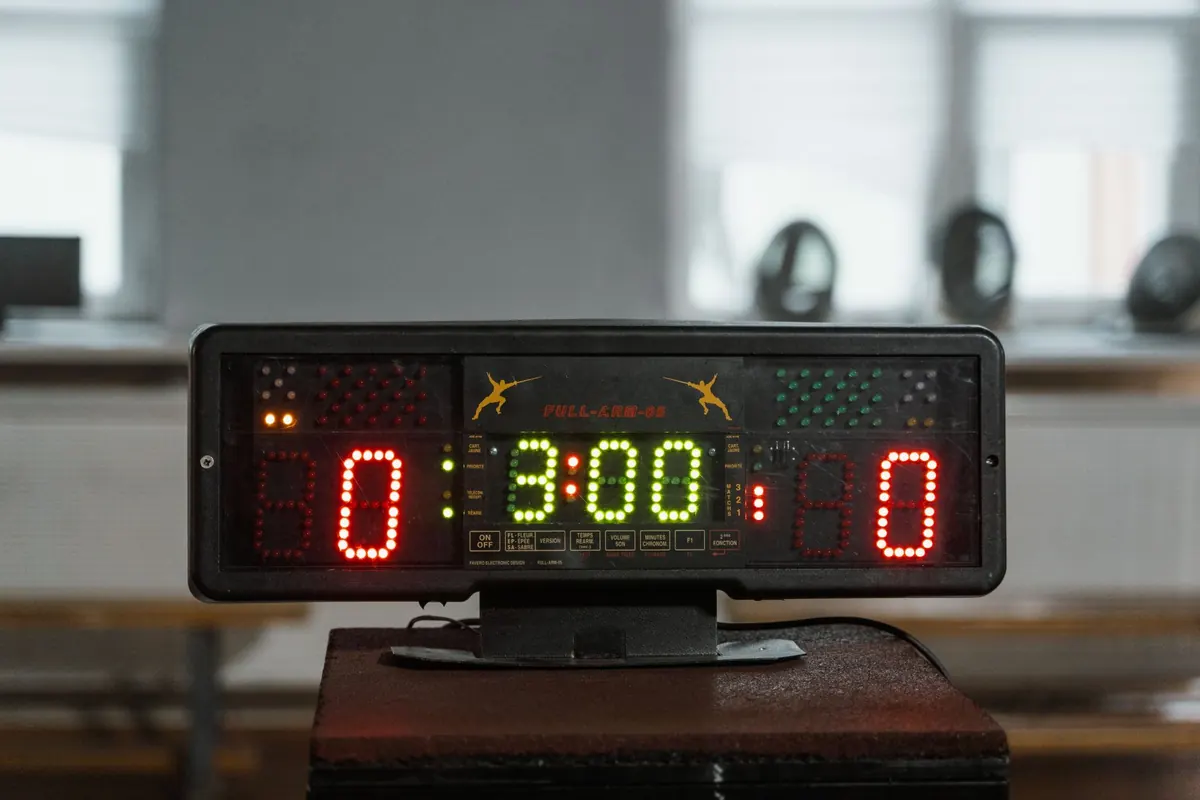
Photo: Tima Miroshnichenko / Pexels
Headguards vs. Scrum Caps: Which One Do You Actually Need?
Scrum caps and headguards are the same category of kit with different amounts of padding. Here's how to...
How to Choose Your First Pair of Rugby Boots: A Buyer's Guide
Stud types, fit and surface matter more than brand or price. A practical guide to picking your first rugby...
About Us